


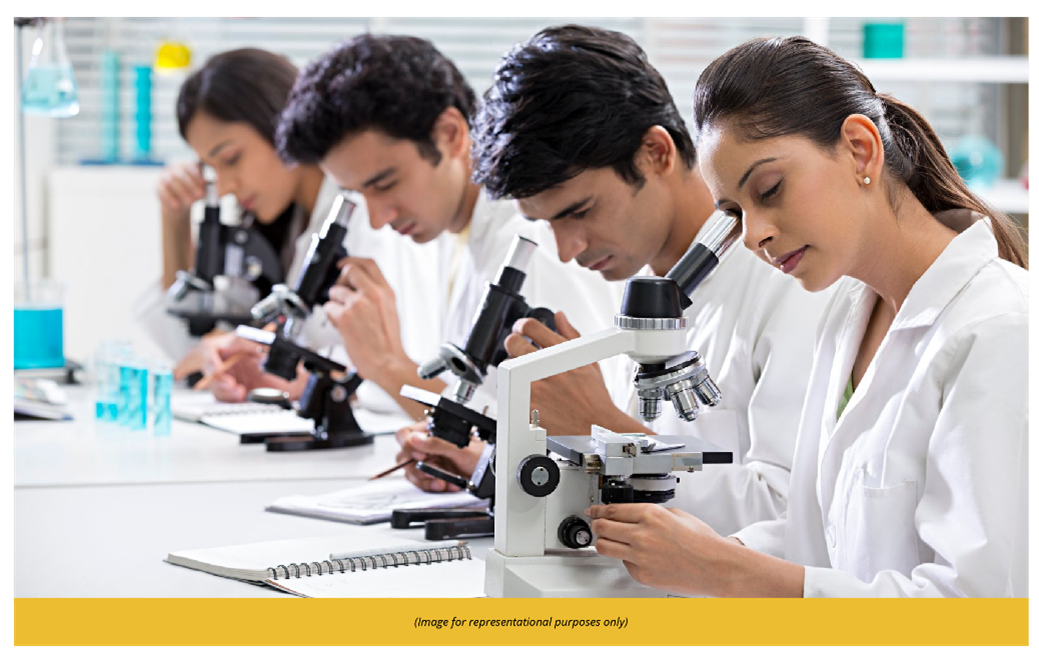
Young scientists, marked by their enthusiasm, creativity, and a strong desire for discovery, play a crucial role in steering the course of scientific progress. The empowerment of the emerging generation of young scientists and researchers is essential for achieving excellence in Research and Development (R&D).
Recognising this, the 'Empowering Young Scientists (EYS)' initiative, led by the OPSA, aims to empower and facilitate a supportive ecosystem for the emerging young workforce engaged in the R&D landscape of India. Scientists aged 45 or below, working in various sectors, agencies, universities, academic institutions, and research organizations, fall within the scope of this initiative.
Young scientists and researchers encounter numerous hurdles in their research journey, ranging from lack of adequate representation, and infrastructure limitations to demanding workloads. This sheds light on the necessity for a more inclusive S&T ecosystem.
Addressing Needs: Initiatives to Empower Young Scientists
To gain a deeper understanding of the challenges faced by young scientists, OPSA undertook several initiatives under the EYS programme:
To gain a deeper understanding of the challenges faced by young scientists, OPSA undertook several initiatives under the EYS programme:
The OPSA in collaboration with the Indian National Young Academy of Sciences (INYAS) and IIT-BHU conducted two surveys among young researchers across India. The surveys aimed to understand the diverse experiences and requirements that young scientists encounter in their professional journeys.
The surveys highlighted various challenges faced by young scientists. The respondents expressed the need for
- Fewer administrative responsibilities
- More autonomy in decision-making
- Flexible working hours
- Ease of conducting research
- Better career growth and capacity-building opportunities, among other suggestions.
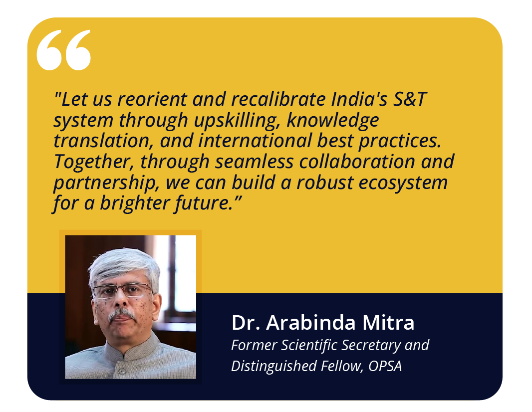
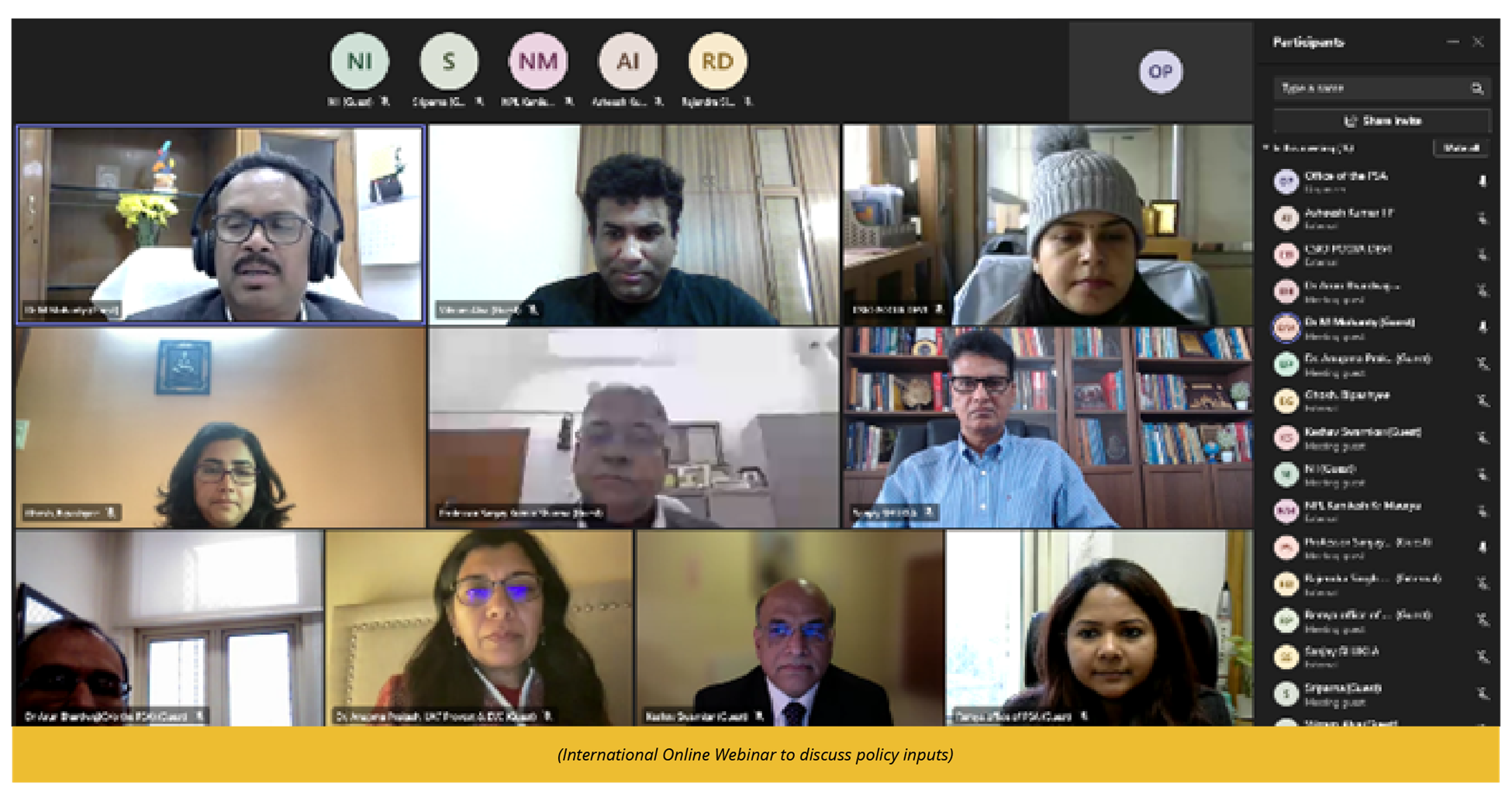
International Webinar organised on inputs to policy on EYS on January 9, 2023
The Office organised an international webinar dedicated to understanding various ways to create a strong support system for the empowerment of young scientists. The webinar featured key experts and stakeholders from different parts of the world.
The webinar highlighted key suggestions like supporting young researchers with funding, giving them freedom in research,
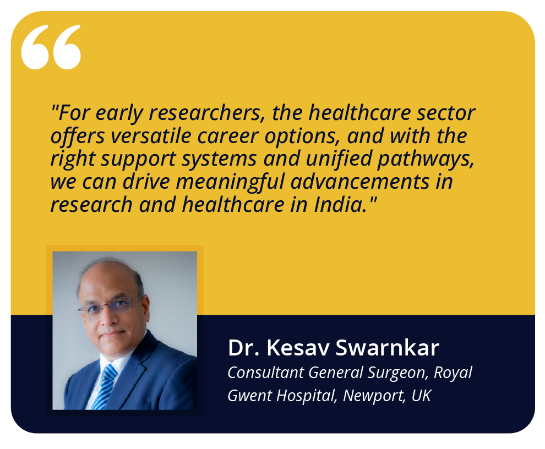
developing both technical and interpersonal skills, involving them in decision-making, simplifying paperwork for global collaborations, recognizing and rewarding their efforts, and spreading awareness about career growth. It also stressed the need to encourage collaboration and provide funding through networking for young scientists.
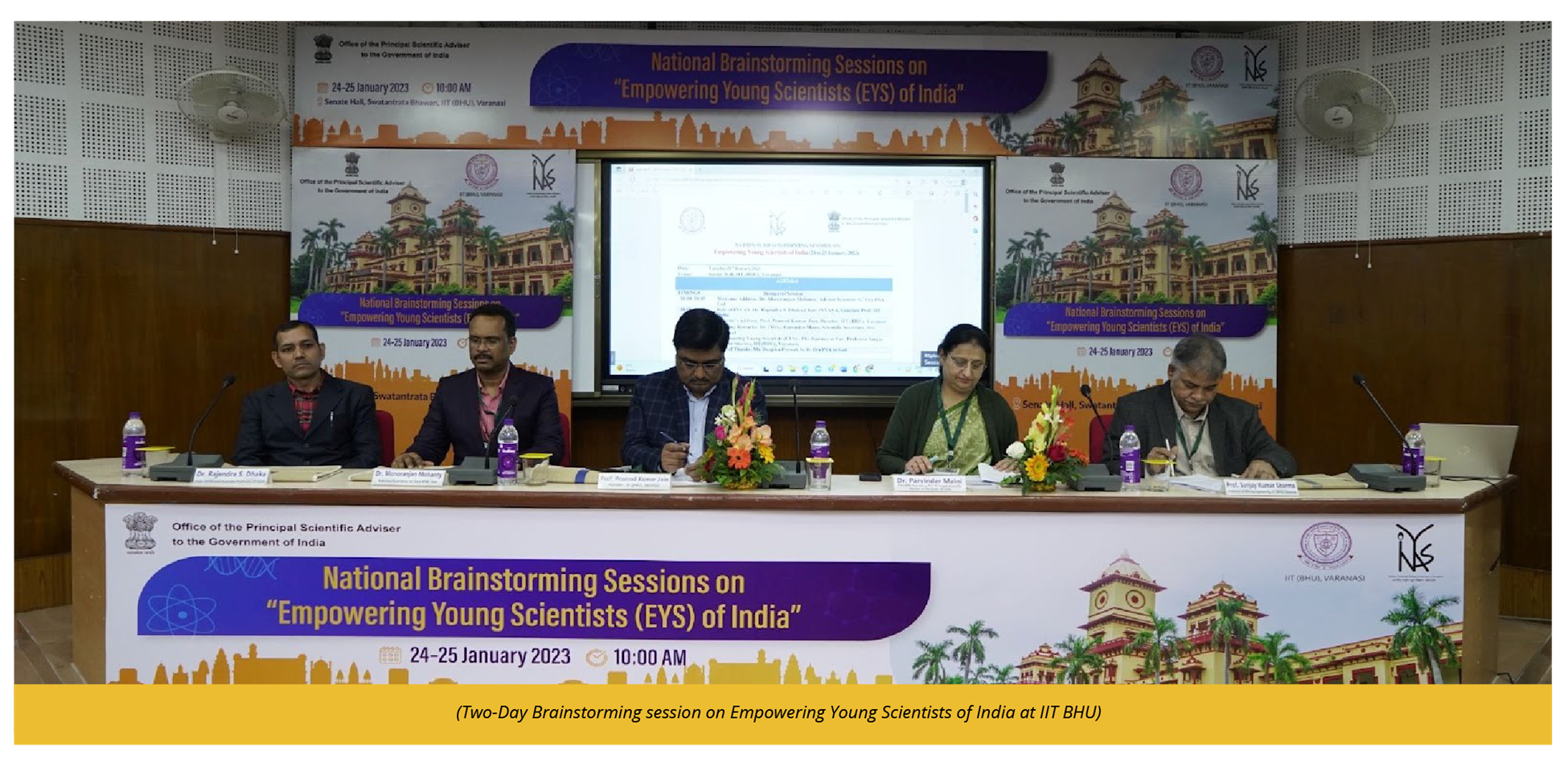
Two-day National Brainstorming Session organized at IIT-BHU on 24-25 January 2023
A Two-day National Brainstorming Session was organized featuring seven sessions addressing key topics in research and education. These included Ease of Doing Research, Opportunities for Interdisciplinary and Multidisciplinary Research, Research Ethics, Challenges at the Workplace and Family Support, Grievance Redressal and Incentivizing Research, Performance Criteria and Promotion Policy, and Career Growth Opportunities and Capacity Building. Participants from various scientific sectors shared concerns and aspirations and offered potential solutions to challenges faced by young scientists at the workplace.
Forging a Support System: Embracing Diversity, Inclusion, and Accessibility
Empowering young researchers plays a crucial role in advancing Diversity, Equity, Inclusion, and Accessibility (DEIA) in the science and technology domain. Dedicated to improving the conditions of young scientists, this initiative recognizes various challenges they face across different sectors and regions. It also aims to enable diverse voices to ensure inclusivity and to address issues of financial barriers that hinder access to resources and opportunities. This initiative aims not only to address the existing disparities but also to foster a culture where scientific and technological advancements are inherently more comprehensive, innovative, and reflective of broader societal needs.
(This article is written by Jahnab Bharadwaj, Communications Associate, OPSA and edited by Sanchita Jain, Communications Specialist, OPSA.)


